
As we are going through an era fueled by AI, “visibility isn’t luck- it’s strategy”.
As businesses prepare for the future of local SEO, adopting effective strategies is essential to stand out in search results and attract more local customers. The landscape of digital marketing continues to evolve, with trends like voice search, mobile-first indexing, and increased personalisation shaping how potential clients discover nearby services. To stay ahead, brands must implement strategies that go beyond basic optimisation. By understanding the future trends and applying these targeted tactics now, businesses position themselves to dominate their markets in the year ahead.
What Local SEO?: How Customer Search Behaviour Has Evolved
Local SEO refers to the practice of optimising your online presence to attract more business from relevant local searches. These searches take place on Google and other search engines, and they increasingly focus on users’ nearest locations. As customer search behaviour evolves, people are now more likely to use phrases like “near me” or specify their city or neighbourhood when looking for products and services.
With the rise of mobile devices and voice search, consumers expect quick results tailored to their current location. This shift means businesses must adapt by implementing smart local SEO strategies in 2025, such as optimising Google Business Profiles, gathering positive reviews, using localised keywords, and ensuring accurate listings across directories.
Strong local SEO is no longer optional, it’s essential for staying competitive in a world where users are searching for convenience and relevance. Businesses that invest in effective local seo strategies in2025 will be better positioned to meet their customers’ needs right when it matters most.
Why Local SEO Still Matters
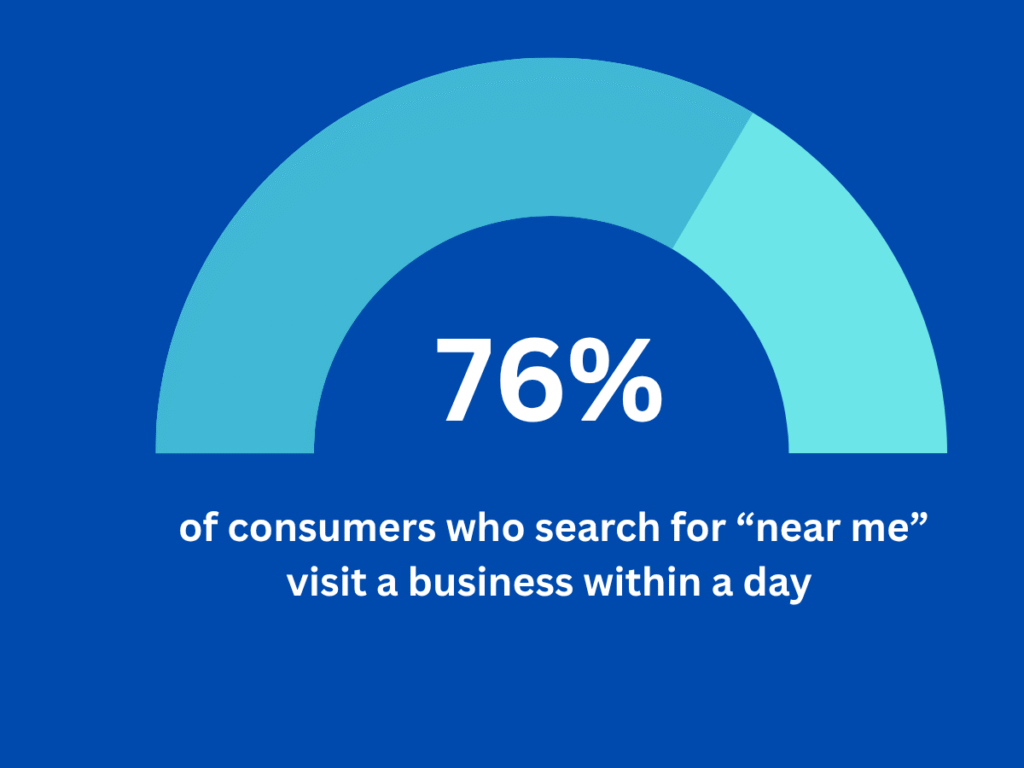
Despite the rapid evolution of digital marketing, local SEO remains a key strategy for businesses looking to connect with nearby customers in 2025. According to recent statistics, nearly 76% of local searches on mobile devices result in a store visit or a call within 24 hours. This impressive conversion rate underscores the critical role that local intent plays in consumer behaviour.
Understanding the difference between general SEO and local SEO is key for modern marketers. While general SEO focuses on optimising your website’s visibility on a global or national scale, local SEO relies on reaching people searching within specific geographic areas. Tactics like optimising Google Business Profiles, encouraging customer reviews, and targeting location-based keywords are essential for standing out in crowded local markets.
Perhaps most importantly, “visibility equals trust” when it comes to attracting nearby customers. When your business consistently appears at the top of search results for relevant local queries such as “digital marketing agency near me” or “best web development company in kochi” consumers are more likely to view your brand as reputed and trusted. Maintaining strong local search visibility not only increases foot traffic and calls but also fosters lasting relationships with your community. In a digital age where competition is fierce, prioritising local SEO continues to pay dividends well into 2025.
Understand the Local Ranking Factors
Search engines nowadays go far beyond just simple keyword matching; they interpret search intent, proximity, and reputation. Google’s mission, “To organise the world’s information and make it universally accessible and useful” reflects this approach. When determining local search rankings, Google focuses on three key factors: proximity, relevance, and prominence.
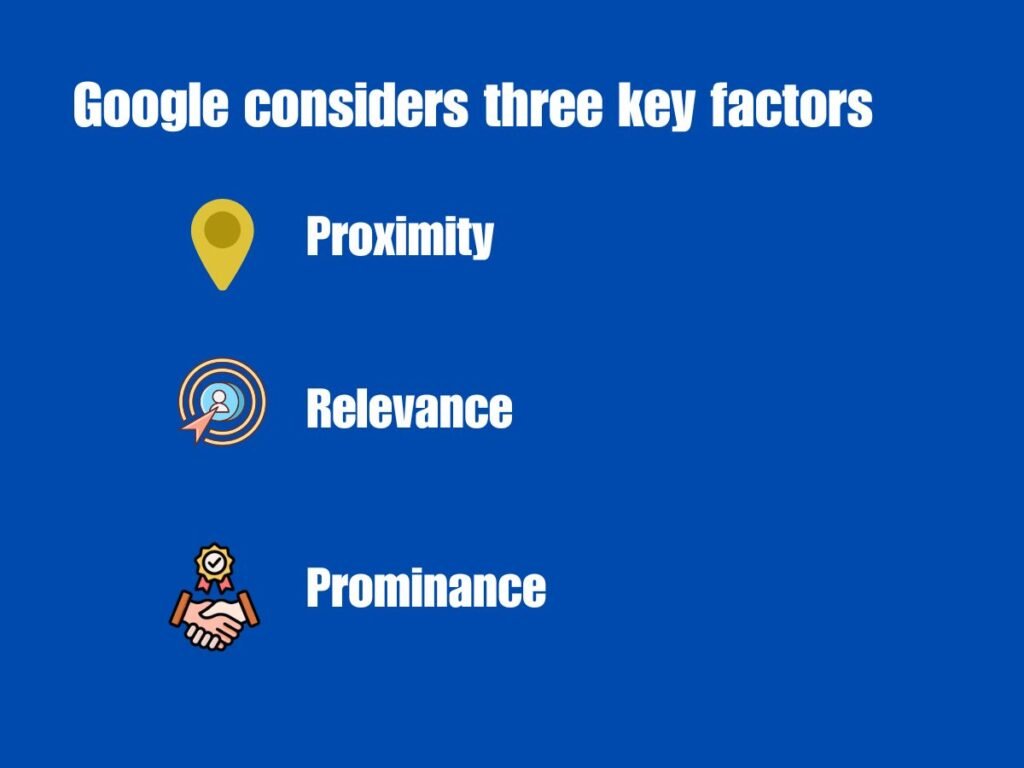
Proximity is how close your business is to the person searching. Imagine that you are in Kochi, typing “best restaurant near me” Google will show the best restaurant that is physically closer to you
Relevance is how well your business matches the keyword. If you search “digital marketing agency in Kochi”, Google will show listings which come under “digital marketing agency” and “Kochi” in their Google Business Profile and content
Prominence is how trustworthy and active your online presence is
Optimise Your Google Business Profile (GBP)
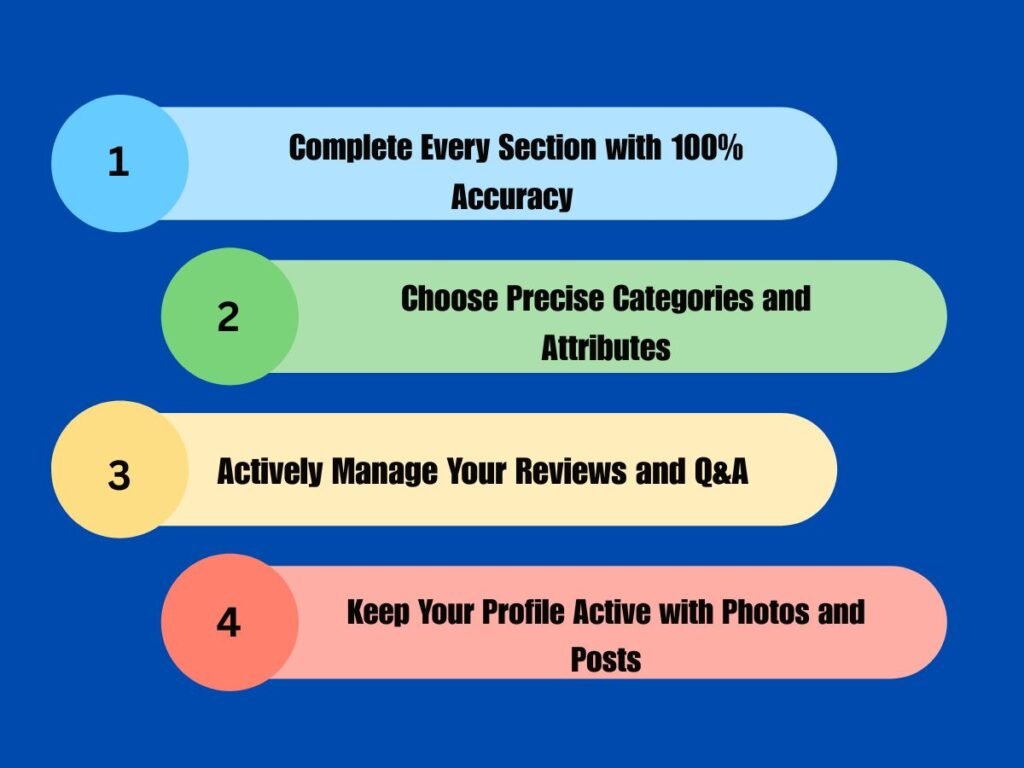
Your Google Business Profile is your digital storefront that appears when someone searches your business name or category on Google Search or Maps. So fill in every detail, such as hours (including holidays), services and descriptions
Here are the 10 simple steps to optimise your Business Profile
- Create or claim your Business Profile
- Set your Business Category and type
- Add business hours
- Set Holiday hours
- Add your NAP(Name, Address & Phone Number)
- Add product Services, and Photos
- Get Reviews and respond to them
- Post Updates
- Set Up messages
- Optimise your website
Add Schema Markup for Local SEO
Schema markup is a kind of structured data, written in code (usually JSON-LD), that helps search engines understand your website’s content better. Adding Schema markup helps search engines “read” your business details accurately. It boosts your chances of appearing in rich results and Google Maps snippets.
Here is an example of customisable schema markup created using ChatGPT.You can paste this script in your site’s <head> section and test it using Google’s Rich Results Test or Schema markup validator
{
  "@context": "https://schema.org",
  "@type": "LocalBusiness",
  "name": "Boostercatch Digital Marketing Agency",
  "image": "https://boostercatch.in/logo.png",
  "@id": "",
  "url": "https://boostercatch.in",
  "telephone": "+91-9876543210",
  "address": {
    "@type": "PostalAddress",
    "streetAddress": "MG Road, Ernakulam",
    "addressLocality": "Ernakulam",
    "addressRegion": "Kerala",
    "postalCode": "680001",
    "addressCountry": "IN"
  },
  "openingHours": "Mo-Fr 09:00-18:00",
  "sameAs": [
    "https://facebook.com/boostercatch",
    "https://instagram.com/boostercatch"
  ]
}
Build Trust Through Review Rating & Reputation
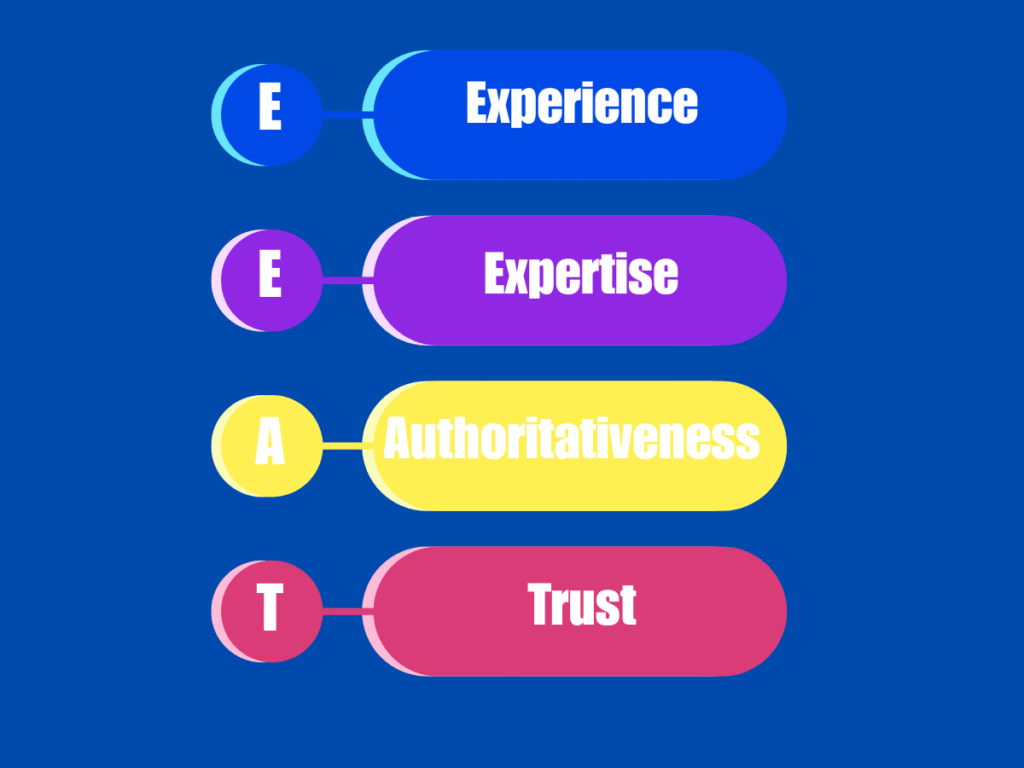
E-E-A-T (Experience, Expertise, Authoritativeness, and Trust) has become central to ranking in 2025. Encourage satisfied customers to leave authentic Google reviews and ratings and promptly respond to them, even if it is positive or negative, with professionalism and care. Showcase these testimonials on your website using Review Schema to enhance visibility.
Mobile, Voice, and AI-driven Local Search
In today’s digital landscape, local search strategies are rapidly evolving to meet the needs of mobile users and voice searchers. As more customers rely on smartphones and voice assistance to find local businesses, marketers need to optimise for mobile-first indexing. Google now primarily uses the mobile version of your website for ranking and indexing, so ensuring your site is responsive, fast-loading, and user-friendly on all devices is crucial.
Equally important is targeting conversational keywords for voice search. Voice queries tend to be longer and more natural-sounding than traditional text searches. Incorporate query-based phrases and location-specific keywords into your content to increase visibility when users ask their voice assistants about nearby services or products.
Finally, harness the power of AI SEO tools for performance tracking and keyword research. These advanced platforms can analyze large sets of data quickly, uncovering valuable insights into user behaviour and emerging trends in local searches. By leveraging AI-driven analytics, you can continuously refine your SEO practices, ensuring improved rankings in both traditional search results and the expanding world of voice-activated discovery.
Track, Measure, and Adapt: The Path to Continuous Optimisation
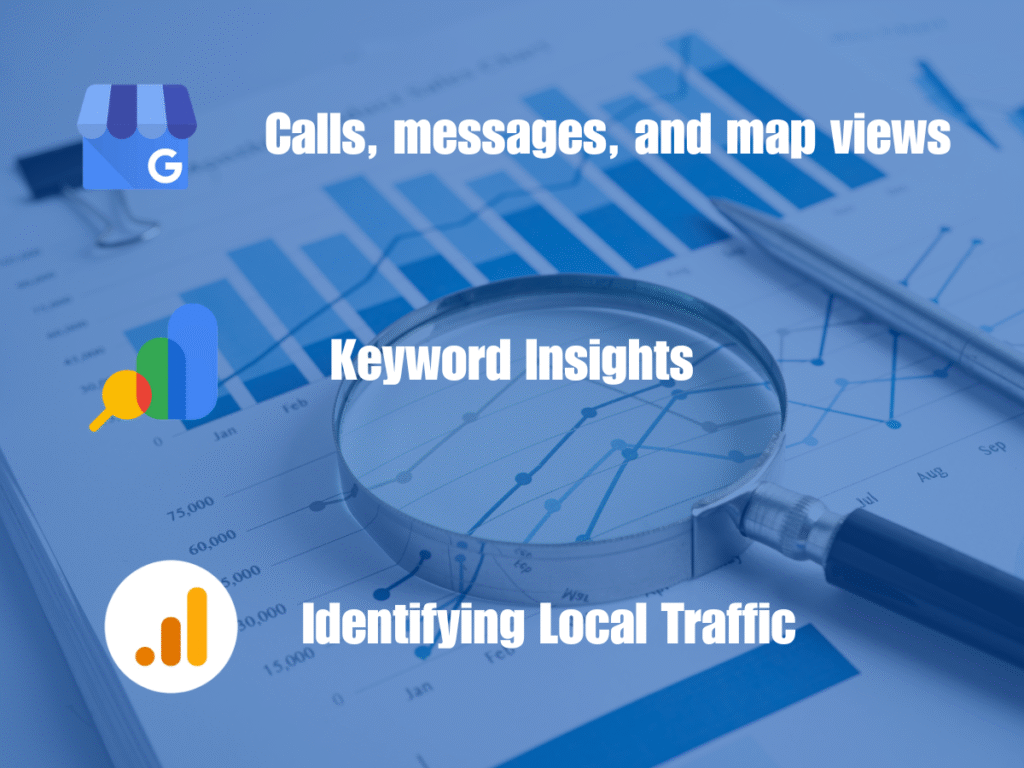
Choosing the right tools is crucial for understanding how your local SEO efforts are performing. Platforms like Google Search Console, GBP Insights (Google Business Profile Insights), and robust analytics software provide invaluable data that goes beyond surface-level reporting. By closely monitoring metrics such as local impressions, calls from search results, direction requests, and direct conversions, you gain a clear picture of user behaviour and campaign effectiveness.
Remember that local SEO isn’t a sprint, it’s a marathon. To track and measure how your business is performing, use free tools like
1. Google Search Console for keyword insights
2. Google Business Profile Insights for calls, messages, and map views
3. Google Analytics for identifying local traffic
Use these measurable insights to adjust your approach instead of relying on assumptions.
Bonus Tips
Instead of generic blogs, create content that satisfies local intent
For example
- case studies explaining the success stories of local businesses
- city-based landing pages
- make use of directories like justdial and sulekha
If you want expert help to rank higher and attract more customers in your area, partner with Booster Catch — your digital marketing agency in Kochi.